
To hire the right contractor, you must ask about licensing, insurance, written contracts, project timelines, and daily site management. Ensure they provide a detailed payment schedule and recent references. Vetting these areas prevents budget overruns and ensures your Hamilton County home remodel meets premium standards without the stress.
Why is your contractor vetting process crucial?
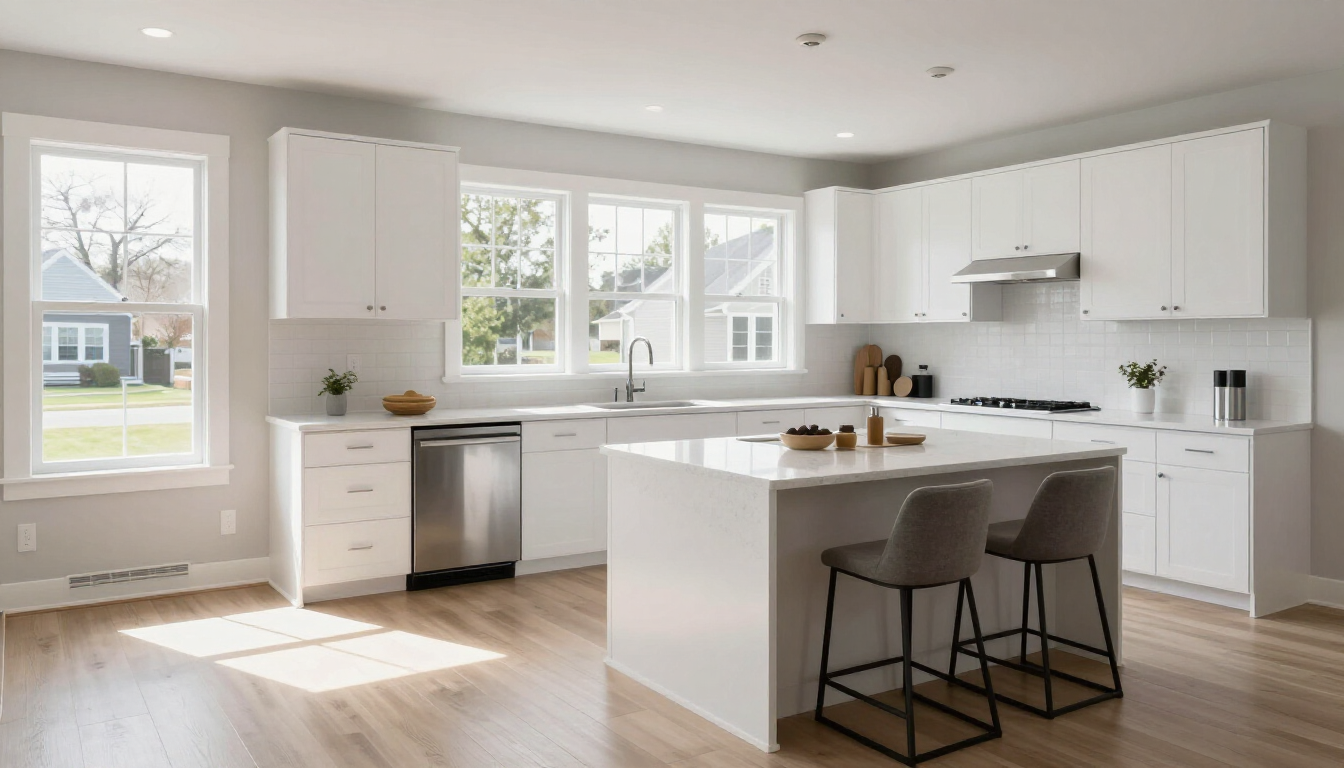
So, you finally bought that house in Carmel or Fishers. You have the keys, and you also have a kitchen that looks like it was designed by someone who really loved the color beige and linoleum. You are ready to transform it into a minimalist masterpiece, but first you need a contractor. Hiring a contractor is a bit like dating, except if the date goes poorly you are left with a hole in your floor and a missing deposit instead of just a bad story.
Before you let someone swing a sledgehammer in your custom tiling dreams, you need to conduct a thorough interview. We are not talking about a casual chat over coffee. We are talking about a polite but firm interrogation. You want to make sure they are not going to vanish into thin air the moment the first check clears.
1. Are you licensed and insured in Hamilton County?
This is the big one. The non-negotiable. If they hesitate, look at their shoes, or start talking about how licenses are just government overreach, run. A legitimate contractor will have no problem showing you their credentials. In Hamilton County, requirements can vary, so you want someone who knows the local codes like the back of their hand.
- General liability. Protects your home if they accidentally drop a bathtub through your ceiling.
- Workers' comp. Ensures you are not liable if a crew member trips over a rogue screwdriver.
- Local licensing. Proves they are recognized by the county to do the work legally.
2. What is our projected timeline for completion?
We all want things done yesterday, but physics, and the supply chain, usually have other plans. You need a realistic start date and a realistic end date. If a contractor tells you they can remodel your entire primary suite in three days, they are either a magician or lying.
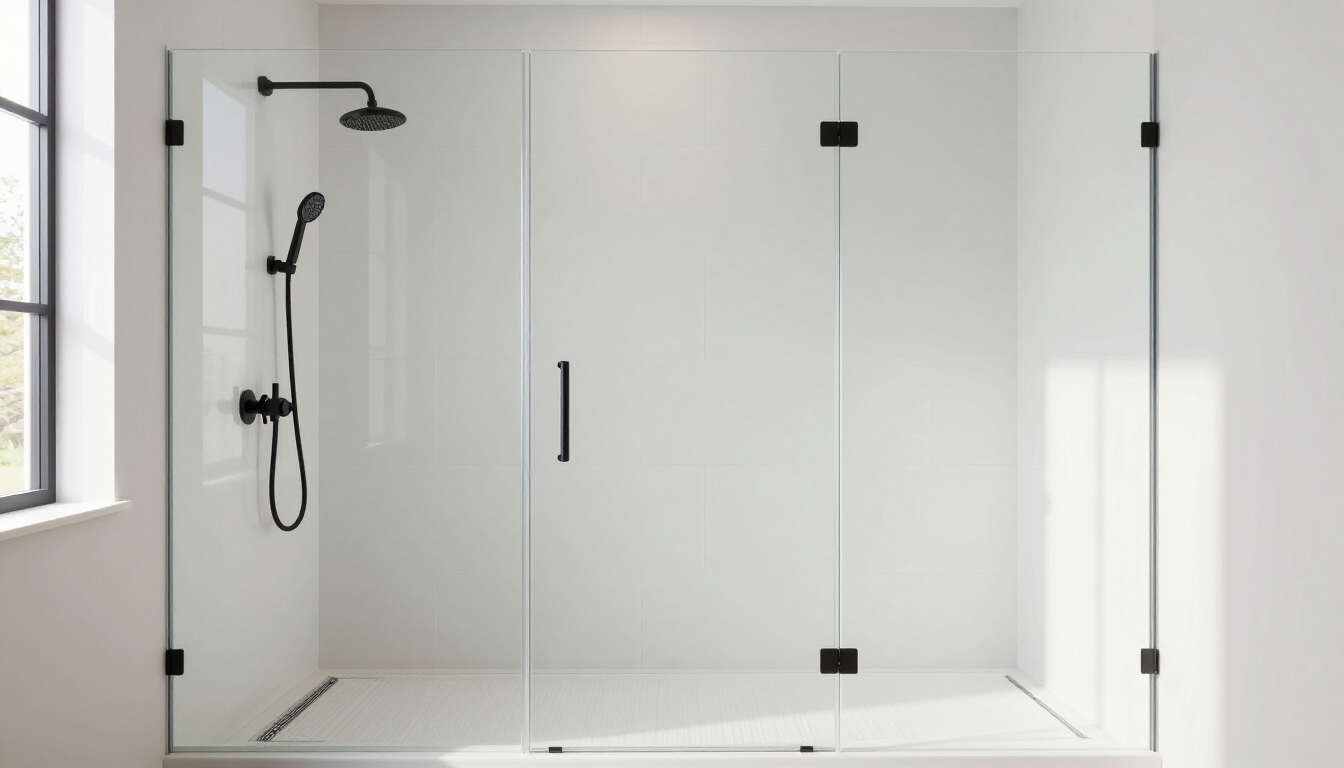
Ask for a schedule that includes major milestones. This helps you plan your life. If you are planning a bathroom package upgrade, you will want to know exactly how long you will be showering at the gym.
3. Who will be managing the job site daily?
Will the person you are talking to now actually be the one swinging the hammer, or will they disappear, replaced by a revolving door of subcontractors you have never met? Knowing who the project manager is gives you a single point of contact. This prevents the I-told-the-other-guy excuse when the tile ends up being installed upside down.
4. Can you provide a detailed, written estimate?
It will probably be around twenty grand-ish is not an estimate. It is a guess. And guesses in construction usually move in one direction: up. You want a line-item breakdown that includes:
- Labor costs for each phase
- Material costs and allowances
- Permit fees and disposal costs
- A clear scope of work
- A definitive total price
Having this in writing protects both parties. It turns a vague idea into a professional agreement.
5. How do we handle surprises or change orders?
In home remodeling, surprises are rarely happy-birthday surprises. They are more there-is-mold-in-your-walls surprises. Ask the contractor how they handle unexpected issues. A professional will use a change order process. This means any change to the original plan or price is documented and signed by both of you before the work happens.
6. What does your payment schedule look like?
Never pay 100% upfront. If a contractor asks for the full amount before they have even parked their truck, that is a red flag the size of a billboard. A standard schedule usually involves a deposit of around 10 to 33%, followed by payments at specific milestones, with a final payment held back until the punch list is finished.
7. Do you have a list of recent references?
Do not just ask for references, call them. Ask the previous clients if the contractor showed up on time, if they stayed on budget, and if they cleaned up after themselves. If a contractor cannot provide at least three happy clients from the last year, you have to wonder why.
8. How will we communicate throughout the project?
Communication is the foundation of any relationship, including the one with your contractor. Do they prefer text, email, or phone calls? Will there be a weekly check-in? There is nothing more stressful than seeing your house in shambles and not being able to get hold of the person in charge. Establish these boundaries early.
9. What is your policy on site cleanliness?
Construction is messy. There is no way around the dust. However, there is a big difference between work zone and disaster area. Ask if they sweep up daily, how they handle trash removal, and how they protect the parts of your house that are not being remodeled. You do not want to find sawdust in your bed three months after the custom carpentry is done.
10. Do you provide a written warranty for your work?
A contractor who stands by their work will offer a warranty. This should cover both materials and labor for a set period. If something starts leaking or a cabinet door falls off its hinges two weeks after they leave, you need to know they will come back and fix it without charging you another arm and a leg.
Summary of what to look for in a contractor
Choosing a contractor for your Hamilton County home does not have to be a gamble. By asking the right questions, you shift the power back into your hands. You are not just looking for someone with a saw, you are looking for a professional partner who understands your vision for a minimalist, premium space.
- Verify credentials. Check licenses and insurance first.
- Get it in writing. Estimates, timelines, and change orders must be documented.
- Check the fit. Ensure their communication style matches yours.
- Reference check. Speak to past clients to verify their reliability.